
Marcas en la Era de la Inteligencia Artificial
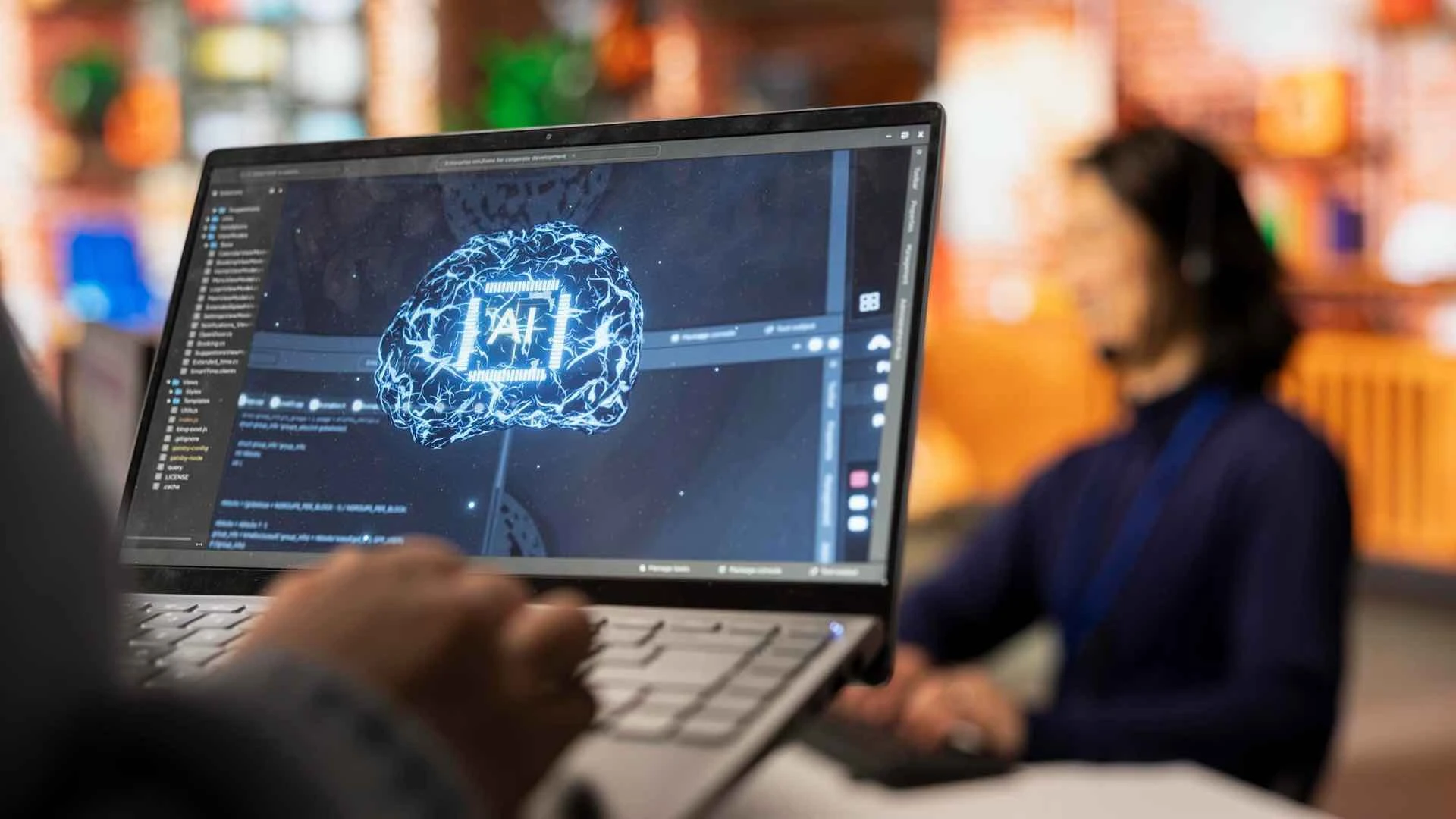
La inteligencia artificial ha dejado de ser un concepto de ciencia ficción para convertirse en una herramienta tangible que está remodelando industrias enteras. Y el mundo del branding no es una excepción. Lejos de ser una amenaza para la creatividad, la IA se está consolidando como el copiloto indispensable para los estrategas de marca, permitiendo un nivel de conexión y personalización que hasta hace poco era impensable. El futuro del branding no se trata de si las marcas usarán IA, sino de cuán inteligentemente la integrarán en su ADN.
Hablamos de un cambio de paradigma. La IA ya no es solo un algoritmo que opera en segundo plano para optimizar la logística o analizar datos de ventas. Ahora es una fuerza activa en la creación de experiencias, en la conversación con el cliente y en la propia definición de la identidad de una marca. Las empresas que entiendan y adopten este cambio no solo sobrevivirán, sino que liderarán la próxima generación de marcas memorables.
La Hiper-Personalización es el Nuevo Estándar
Durante años, la personalización en marketing se limitaba a insertar el nombre del cliente en un correo electrónico. La inteligencia artificial ha destrozado esa barrera. Al analizar patrones en enormes volúmenes de datos, desde el historial de compras y la navegación web hasta las interacciones en redes sociales, la IA les permite a las marcas crear experiencias verdaderamente únicas para cada individuo.
Piensa en cómo Netflix no solo te recomienda una película, sino que te muestra una miniatura específica basada en los actores o géneros que prefieres. O cómo Spotify crea listas de reproducción semanales que parecen leídas de tu mente musical. Esto es la hiper-personalización en acción. Las marcas del futuro utilizarán la IA para adaptar dinámicamente sus sitios web, sus campañas de marketing y hasta sus productos, haciendo que cada cliente sienta que la marca fue diseñada exclusivamente para él.
Creación de Contenido a la Velocidad de la Luz
La parálisis del escritor o el bloqueo creativo frente a un calendario de contenidos vacío es un problema conocido. Aquí es donde la IA generativa, como los modelos de lenguaje avanzados, entra en juego. Estas herramientas pueden generar borradores para artículos de blog, crear múltiples variantes de textos para anuncios, proponer ideas para publicaciones en redes sociales e incluso diseñar conceptos visuales básicos en cuestión de segundos.
Esto no elimina el papel del creativo. Al contrario, lo potencia. La IA se encarga del trabajo pesado, de la generación de ideas en bruto o de la optimización de textos para SEO, liberando a los equipos humanos para que se centren en la estrategia, el refinamiento y el toque emocional que solo una persona puede dar. Es una colaboración donde la eficiencia de la máquina se une a la intuición y el genio humano, permitiendo a las marcas producir contenido de alta calidad a una escala sin precedentes.
Chatbots que Realmente Entienden y Conectan
Los chatbots del pasado eran torpes, frustrantes y, a menudo, inútiles. Su incapacidad para entender el contexto o responder a preguntas complejas los convertía en un punto de fricción más que en una solución. La nueva generación de asistentes conversacionales impulsados por IA ha cambiado las reglas del juego.
Estos nuevos chatbots pueden mantener conversaciones fluidas, entender el sentimiento detrás de las palabras de un cliente y acceder a información para dar respuestas precisas y útiles al instante. Se están convirtiendo en la primera línea de la atención al cliente y en una extensión vital de la voz de la marca. Un chatbot bien implementado puede guiar a un usuario a través de una compra, resolver un problema a las 3 de la mañana y recopilar información valiosa, todo mientras mantiene un tono y una personalidad consistentes con el branding de la empresa.
El Poder de Anticiparse al Cliente
Quizás una de las aplicaciones más poderosas de la IA en el branding es el análisis predictivo. Al identificar patrones sutiles en el comportamiento del consumidor y en las tendencias del mercado, la inteligencia artificial puede predecir qué necesitarán los clientes antes incluso de que ellos mismos lo sepan.
Esto permite a las marcas pasar de una estrategia reactiva a una proactiva. En lugar de esperar a que un cliente busque un producto, la marca puede presentárselo en el momento justo. Pueden optimizar su inventario para satisfacer una demanda futura, lanzar campañas de marketing que se alineen con tendencias emergentes o incluso desarrollar nuevos productos basados en necesidades latentes que la IA ha identificado en el mercado. Es el equivalente a que tu tienda favorita te tenga preparado exactamente lo que venías a buscar en cuanto cruzas la puerta.
En definitiva, la inteligencia artificial no es solo una nueva herramienta, sino un nuevo lienzo para el branding. Las marcas que la utilicen para ser más personales, más eficientes, más conversacionales y más predictivas no solo estarán construyendo una identidad más fuerte, sino una relación más profunda y significativa con sus clientes. El verdadero desafío no será técnico, sino humano: usar este inmenso poder de forma ética y auténtica para crear marcas que, gracias a la tecnología, se sientan más humanas que nunca.